- Air Peace takes delivery of E190 jet, breaks tradition on aircraft naming
- How mountain of debt is ‘grounding’ Nigeria’s aviation
- Lagos light rail to connect MMIA directly to Marina, city center, FAAN, CCECC mark landside concrete work completion
- IATA urges global support for CORSIA as aviation carbon scheme hits 10-year mark
- Etihad Airways, Ibom Air ink interline deal connecting Nigeria, Etihad's network



Insurance protection gap threatens Nigeria’s economic resilience
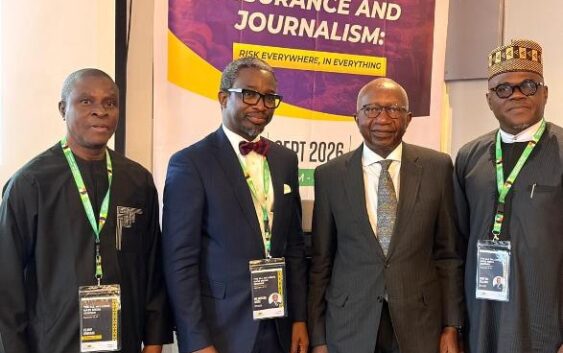
Nigeria’s economic growth could remain vulnerable to major financial shocks unless the country urgently addresses its wide insurance protection gap.
SanlamAllianz Life Insurance Nigeria Limited Chairman, Dr Femi Oyetunji, says millions of households, businesses, and public assets remain exposed to losses that could undermine economic stability.

Speaking on Wednesday at the All-Inclusive Mass Media Training on Insurance Awareness, Oyetunji said the insurance challenge should no longer be viewed as an industry-specific issue, but as a matter of national economic resilience.
He noted that while the sector has recorded significant growth in premium volumes, this has not translated into adequate insurance coverage across the economy.
Citing the National Insurance Commission’s 2024 market performance bulletin, Oyetunji said gross premium written rose from 1.6 trillion naira in 2024 to 2.3 trillion naira in 2025, representing a 45 per cent increase.
However, he noted that insurance penetration remains below one per cent of GDP, leaving a substantial proportion of economic activities and assets without adequate protection.
Oyetunji said the focus should shift from measuring the size of the insurance industry to determining how much of Nigeria’s economic activity remains exposed to uninsured risks.
He identified agriculture, construction, manufacturing, oil and gas, healthcare, maritime operations and the digital economy as sectors facing significant risks ranging from floods and equipment failure to cyberattacks, business interruption and liability claims.
The insurance expert also urged Nigerians to view insurance as an essential component of financial planning rather than an afterthought.
He said the loss of a breadwinner, a serious accident, destruction of property, or major liability could wipe out years of savings, stressing that life, motor, and other forms of insurance provide mechanisms for families and businesses to recover and continue after unexpected losses.
On flooding and other disasters, Oyetunji said widespread uninsured losses often shift the financial burden to families, businesses, banks and government.
He stressed, however, that insurance must complement, rather than replace, preventive measures, calling for a combination of risk reduction and effective risk transfer.
Oyetunji described the Nigerian Insurance Industry Reform Act 2025, NIIRA 2025, as an opportunity to strengthen the sector through provisions covering capital, solvency, risk-based supervision, compulsory insurance, digitisation and policyholder protection.
He, however, stressed that legislation alone cannot build public confidence, insisting that insurers must provide value, simplify policy terms and settle legitimate claims fairly and promptly.
The SanlamAllianz chairman also charged journalists to bring the insurance dimension into mainstream reporting, saying disasters such as building collapses, floods, factory fires, aviation incidents, cyberattacks and road accidents all raise important insurance questions.
He urged the media to examine the adequacy of cover, enforcement of compulsory insurance and the speed of claims settlement, stressing that “wealth creation without wealth protection is incomplete financial planning.”
Google+