- vPASS: Biometric lock on fragile door
- Inside the ‘inelastic’ economics, looming oversaturation of Nigeria–London route
- Umza Air unveils fleet expansion, Hajj plans, nine-city domestic network
- United Nigeria launches Jos route expansion to Lagos, Kano, Owerri
- Why British Airways, Virgin Atlantic Are Capped. What Nigeria Wants in Return



vPASS: Biometric lock on fragile door
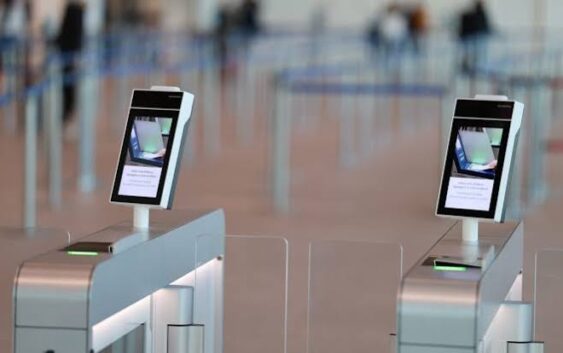
Nigeria’s aviation sector is hurtling toward a January 1, 2027, deadline that will fundamentally alter how millions of people move across the country.
Under the Federal Government’s newly unveiled Virtual Passenger Processing System (vPASS), linking a valid National Identification Number (NIN) and passing facial biometric scans at security and boarding gates will become non-negotiable for every domestic flight. No vPASS, no boarding.


On paper, digitising airport security is a leap into the twenty-first century. In practice, rushing a compulsory biometric dragnet into an ecosystem plagued by infrastructure deficits, bureaucratic bottlenecks, and weak data governance threatens to turn Nigerian departure lounges into theatres of avoidable chaos.
The most glaring flaw in the vPASS rollout is not its ambition, but its breakneck timeline and disregard for operational reality.
Domestic airlines have been given until December 31, 2026, to fully integrate their booking, check-in, and boarding systems with the platform.
Anyone familiar with Nigerian aviation knows that compressed deadlines routinely breed half-baked integrations and launch-day system crashes.
More concerning is the physical reality of Nigeria’s airports. While flagship terminals in Lagos and Abuja may have the bandwidth and backup power to keep facial-recognition e-gates humming, regional airports across the country still wrestle with erratic power supply and unstable internet connectivity.
When a server times out or a camera fails to recognise a passenger, whether due to poor lighting, ageing facial features, or NIMC database mismatches, a rigid “no verification, no flight” rule risks stranding legitimate travellers who have paid exorbitant airfares.
Then there is the elephant in the terminal: data privacy and cost. Centralising the facial biometrics, NIN records, and travel histories of every domestic flyer into a platform operated via a public-private partnership (FAAN and VERXID Technologies) creates an immense honeypot of sensitive personal data.
A compromised password can be reset; a leaked biometric profile cannot. Furthermore, while FAAN’s official guidance states that vPASS onboarding is free, public scepticism remains high following mixed messaging over whether “minimal” indirect charges will eventually trickle down onto already inflated ticket prices.
For the average traveller, the immediate implication is a heavier pre-flight administrative burden. Spontaneous travel, buying a last-minute ticket to catch a morning meeting, will become virtually impossible for anyone who has not already resolved their NIN discrepancies and completed mobile or airport onboarding.
In the short term, travellers should brace for longer queues, not shorter ones. Until passengers and airline staff master the two-step facial verification at both security e-gates and boarding gates, early-morning rush hours at domestic terminals are likely to experience severe bottlenecks.
Worst of all, the policy shifts the burden of institutional failure onto the citizen: if NIMC’s servers lag or an airline’s API fails to sync, the passenger pays the price in missed flights and forfeited tickets.
Dismissing vPASS entirely, however, would be throwing the baby out with the bathwater. Beneath the rollout anxiety lies a genuinely transformative tool that addresses chronic headaches in Nigerian air travel.
For years, domestic flight manifests have been notoriously unreliable, with passengers routinely flying on tickets bought under someone else’s name.
Tying a verified biometric identity directly to a boarding pass eliminates identity substitution, flags individuals on security watchlists, and gives emergency responders accurate passenger manifests when it matters most.
Once the teething problems are ironed out, automated e-gates can drastically reduce the repetitive, paper-heavy manual ID checks that currently slow down airport concourses.
Walking from security to the aircraft cabin with nothing more than a quick facial scan is the global gold standard for modern aviation.
Modernising Nigeria’s domestic airspace is both necessary and overdue. Yet technology cannot substitute for sound governance.
For vPASS to succeed without alienating the flying public, aviation authorities must ensure transparent compliance with the Nigeria Data Protection Act, enforce clear, swift manual fallback protocols when networks fail, and penalise airlines for technical glitches rather than passengers.
A biometric gate should streamline the journey, not become another barrier to movement.
Google+
My local airport requires a different credential set for air travel. Some regional hubs permit a simpler identification check.