- Air Peace takes delivery of E190 jet, breaks tradition on aircraft naming
- How mountain of debt is ‘grounding’ Nigeria’s aviation
- Lagos light rail to connect MMIA directly to Marina, city center, FAAN, CCECC mark landside concrete work completion
- IATA urges global support for CORSIA as aviation carbon scheme hits 10-year mark
- Etihad Airways, Ibom Air ink interline deal connecting Nigeria, Etihad's network



Ebola Threat: NCAA Mandates Strict Airport Screenings, Airline Surveillance
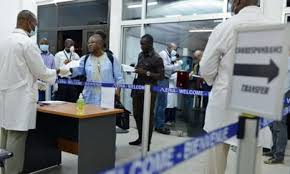
The Nigeria Civil Aviation Authority (NCAA) has issued a high-alert directive to all domestic and international airlines operating in Nigeria, ordering immediate, enhanced port health surveillance at all international airports.
The NCAA directed airlines, airport operators and other aviation stakeholders to intensify public health surveillance measures following the outbreak of Ebola Virus Disease (EVD) in parts of the Democratic Republic of Congo (DRC) and Uganda.

This swift regulatory intervention follows the World Health Organisation’s (WHO) formal declaration of the fresh Ebola outbreak in the Democratic Republic of Congo (DRC) and Uganda as a Public Health Emergency of International Concern (PHEIC).
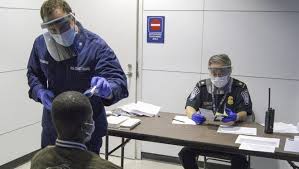
The current outbreak is driven by the Bundibugyo ebolavirus (BVD) species, a rare and highly severe variant for which there are currently no widely licensed vaccines or specific therapeutics.
The WHO and regional medical bodies sounded the alarm after more than 300 suspected cases, and dozens of fatalities were recorded within the East and Central African corridor.
Given high regional mobility, trade, and interconnected flight networks, the NCAA is taking preemptive measures to prevent cross-border transmission into Nigeria.
The aviation regulatory body, in a circular, said the directive was necessary due to growing concerns about the spread of the disease and the aviation sector’s critical role in preventing cross-border transmission.
The authority noted that although no confirmed case linked to the outbreak has been recorded in Nigeria, it is collaborating with the Federal Ministry of Health, the Nigeria Centre for Disease Control (NCDC), Port Health Services and international health organisations to closely monitor the situation.
According to the NCAA, health authorities in the DRC recently identified a cluster of severe illnesses among healthcare workers in the Bunia Health Zone in the country’s northeastern region.
The authority stated that there is currently no licensed vaccine specifically approved for the Bundibugyo strain, while treatment remains largely supportive and symptom-based.
The NCAA listed symptoms associated with Ebola Virus Disease to include sudden fever, severe fatigue, persistent headache, vomiting, abdominal pain and bleeding manifestations such as nosebleeds or vomiting blood.
It stressed that early detection and immediate reporting remain critical to preventing the international spread of the disease.
As part of preventive measures, the authority said disease surveillance systems at airports have been strengthened, while contact tracing, case reporting mechanisms and border health screening procedures are also being reinforced.
The NCAA further directed pilots to notify Air Traffic Control of any suspected cases of communicable disease onboard aircraft, in line with the NCAR.
It also instructed flight crew members to complete and submit Aircraft General Declaration forms for all suspected cases and mandated that airlines ensure passenger locator forms are completed and submitted to Port Health Services upon arrival.
The authority added that airlines must ensure that aircraft are properly equipped with first-aid kits, universal-precaution kits, and emergency medical kits.
It also urged operators to reinforce crew training on the identification and management of communicable diseases and ensure strict adherence to infection prevention and control guidelines.
The NCAA called on all aviation stakeholders to remain vigilant and fully comply with established public health protocols to safeguard passengers, crew members, and the general public from potential health threats.
Google+